Diamonds are timeless symbols of love, elegance, and luxury. When it comes to purchasing these precious gems, the world of online diamond shopping offers a wealth of opportunities. Buying diamonds online from reputable diamond stores provides convenience, extensive options, and competitive prices. However, to make an informed decision and ensure a successful purchase, it’s crucial to understand the role of diamond experts, navigate potential risks, and embrace the benefits that await you. In this comprehensive guide, we will explore the world of buying diamonds online, highlight the importance of diamond experts, and present you with valuable insights to help you become a knowledgeable and confident diamond buyer.
The Role of Diamond Experts
Diamond experts are highly knowledgeable professionals who possess a deep understanding of diamonds, their qualities, and the market dynamics. Here’s how their expertise can greatly benefit you:

Comprehensive Guidance: Diamond experts offer personalized guidance tailored to your specific needs, preferences, and budget. They can help you navigate the vast world of diamonds, provide expert advice, and assist you in finding the perfect gem that meets your unique requirements. You can contact a diamond expert on yourdiamondteacher.com – Buying Diamonds Online.
Verification and Authentication: With their trained eye, diamond experts can verify the authenticity and quality of a diamond. They meticulously examine the stone’s characteristics, ensuring it matches the specifications provided. Their expertise helps you avoid purchasing misrepresented or low-quality diamonds.
Insider Industry Knowledge: Diamond experts are well-versed in market trends, pricing dynamics, and reputable diamond suppliers. They stay updated with the latest developments and have access to a network of trusted sources. Leveraging their industry connections, they can help you source diamonds of exceptional quality and value.
Customization and Design Assistance: Diamond experts can assist you in creating custom-designed jewelry pieces that perfectly reflect your style and vision. They understand the intricate details of diamond settings and can guide you in selecting the right combination of diamonds and settings for a truly unique piece.
Risks of Buying Diamonds Online
While buying diamonds online offers numerous advantages, it’s important to be aware of the potential risks involved. Here are some risks to consider:
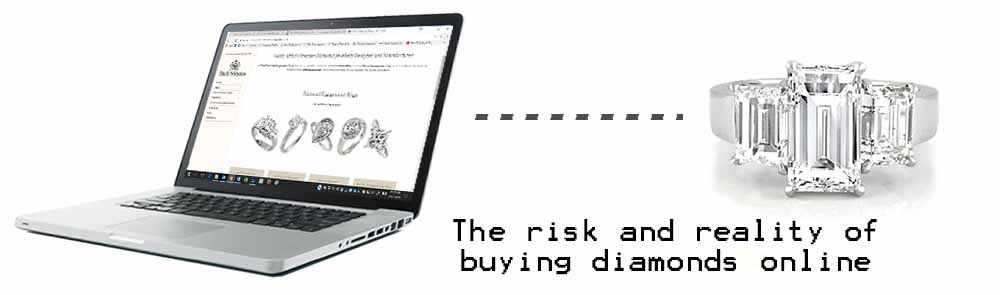
Inaccurate Product Representation: Online product descriptions and images may not always provide a complete representation of a diamond’s true appearance. Relying solely on online information can be misleading, making it crucial to seek expert advice and rely on reliable grading reports and certifications.
Limited Physical Inspection: Unlike traditional brick-and-mortar stores, online diamond purchases don’t allow for physical inspection before making a purchase. However, reputable online diamond stores provide advanced imaging technologies, detailed descriptions, and comprehensive grading reports to compensate for this limitation.
Scams and Counterfeit Diamonds: The online marketplace, like any other industry, is not immune to scams and counterfeit products. To mitigate this risk, it’s important to choose reputable online diamond stores that have established track records, positive customer reviews, and industry recognition.
Successful Stories and Benefits
Countless individuals have had positive experiences buying diamonds online. Here are some benefits they’ve enjoyed:
Wide Selection and Competitive Pricing: Reputable online diamond stores offer an extensive selection of diamonds, ranging in shape, size, color, and clarity. The online marketplace allows for easy comparison and access to competitive prices, enabling you to find the perfect diamond within your budget.
Convenience and Time Savings: Buying diamonds online eliminates the need to visit multiple physical stores, saving you time and effort. You can browse through a vast inventory, customize your search, and make purchases from the comfort of your own home, at your own pace.
Transparency and Education: Reputable online diamond stores provide comprehensive details about each diamond, including the 4Cs (cut, color, clarity, and carat weight) and relevant certifications. They also offer educational resources to help you understand diamond characteristics and make informed decisions.
Money-Back Guarantees and Return Policies: Reputable online diamond stores offer transparent return policies and money-back guarantees, ensuring customer satisfaction and peace of mind. This protects you from potential disappointments and allows you to examine the diamond in person before making a final decision.
In addition to the benefits of buying diamonds online and seeking advice from diamond experts, it’s important to be aware of the potential risks and take precautions to ensure a successful and secure purchase. Here are some dos and don’ts to consider when buying diamonds online:
Do your research: Before making any purchase, gather information about the 4Cs of diamonds (cut, color, clarity, and carat weight) and learn about diamond certifications, such as those issued by the Gemological Institute of America (GIA). Understanding these factors will help you make an informed decision and evaluate the quality of the diamonds you’re considering.
Don’t rush: Take your time and compare prices, designs, and customer reviews across different online diamond stores. This will help you find the best value for your money and ensure that you’re purchasing from a reputable vendor.
Do ask for diamond grading reports: Reputable online diamond vendors provide detailed grading reports from independent gemological laboratories. These reports provide an objective assessment of a diamond’s characteristics and help ensure its quality and authenticity.
Don’t ignore customer reviews: Read reviews and testimonials from other customers to gauge the reputation and reliability of the online diamond store. Look for positive feedback regarding the quality of the diamonds, customer service, shipping, and return policies.
Do consider customization options: Many online diamond vendors offer customization services, allowing you to create a unique piece of jewelry tailored to your preferences. Explore these options and consult with the vendor’s jewelry experts to bring your vision to life.
Don’t overlook return policies and warranties: Review the vendor’s return policy and warranty terms before making a purchase. Reputable online diamond stores typically offer flexible return policies and provide warranties to protect your investment.
Do seek the advice of diamond experts: If you’re unsure about any aspect of buying diamonds online, don’t hesitate to consult with diamond experts. They can guide you through the process, answer your questions, and provide insights based on their extensive knowledge and experience.
By following these guidelines, you can mitigate the risks associated with buying diamonds online and maximize the benefits. Reputable online diamond stores, such as James Allen and Blue Nile, coupled with the expertise of diamond professionals, offer a secure and transparent environment for purchasing diamonds online. With their assistance, you can find the perfect diamond that meets your expectations in terms of quality, value, and design.
Conclusion
Buying diamonds online from reputable online diamond stores is an excellent option for those seeking convenience, a wide selection, and competitive pricing. However, it’s essential to recognize the importance of diamond experts throughout the purchasing process. Their expertise, guidance, and verification can help mitigate risks and ensure you make well-informed decisions. By combining the benefits of online diamond shopping with the insights of diamond experts, you can embark on a journey that not only results in a beautiful diamond but also empowers you as a knowledgeable and confident buyer.…