Europe’s diamond industry has long been recognized as a global leader in the production and trade of high-quality diamonds. However, recent sanctions on Russia have raised concerns among buyers regarding the impact on the diamond industry. In this article, we will delve into Europe’s diamond industry amidst sanctions on Russia, providing a comprehensive explanation of its reputation, pros and cons, and highlighting reputable diamond sellers in Europe. By understanding these factors, readers can feel at ease when considering purchasing diamond jewelry in Europe.
Reputation of Europe’s Diamond Industry
Europe has established a stellar reputation in the diamond industry, renowned for its expertise, craftsmanship, and ethical practices. Countries such as Belgium, the Netherlands, and Russia have played significant roles in the diamond trade, with diamond centers like Antwerp gaining worldwide acclaim. Europe’s diamond industry adheres to strict quality standards, ensuring that buyers receive diamonds of exceptional brilliance and beauty.
Pros of Europe’s Diamond Industry Amidst Sanctions on Russia
Diversification of Diamond Sources: Europe’s diamond industry has proactively diversified its sources to reduce dependence on any single country. By expanding partnerships with diamond-producing nations such as Botswana, Canada, South Africa, and Australia, European jewelers ensure a consistent supply of high-quality diamonds. This diversification helps mitigate the impact of sanctions and ensures a wide selection of diamonds for buyers to choose from.
Ethical Sourcing and Certification: Europe’s diamond industry places a strong emphasis on ethical sourcing and certification. Initiatives like the Kimberley Process Certification Scheme (KPCS) and Responsible Jewellery Council (RJC) ensure that diamonds traded in Europe are ethically sourced, free from conflict, and adhere to strict environmental and social standards. Buyers can have confidence that their diamond jewelry supports responsible practices and upholds ethical principles. Buyers can also be confident when they buy their diamonds online.
Established Expertise and Craftsmanship: Europe’s diamond industry boasts a rich heritage of expertise and craftsmanship. Skilled artisans and craftsmen in European diamond centers possess the knowledge and skills to transform rough diamonds into stunning pieces of jewelry. European diamond sellers have a deep understanding of diamonds’ characteristics, ensuring that buyers receive stones of exceptional quality and value.
Cons of Europe’s Diamond Industry Amidst Sanctions on Russia
Potential Price Volatility: Sanctions on Russia may introduce some degree of price volatility to the diamond market. As Russia has been a major supplier of rough diamonds, the reduced availability may impact pricing to some extent. However, Europe’s diversified sources and established trading centers help maintain a stable market and competitive pricing.
Limited Availability of Russian Diamonds: The sanctions on Russia may lead to a reduced availability of Russian diamonds in the market. Buyers specifically seeking Russian-sourced diamonds may find their options limited. However, the industry’s diversification efforts ensure a wide range of diamonds from other reputable sources are readily available.
Reputable Diamond Sellers in Europe
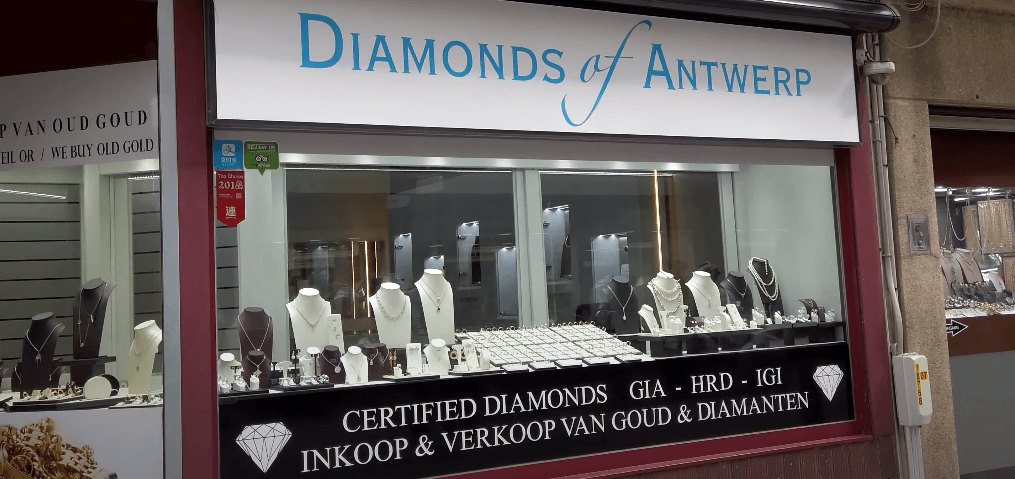
Antwerp Diamond District, Belgium: Antwerp’s diamond district is one of the world’s most prestigious diamond trading centers. It houses numerous reputable diamond sellers and manufacturers known for their exceptional craftsmanship and ethical practices. Buyers can explore a vast selection of diamonds and benefit from the expertise of experienced diamond merchants.
Amsterdam, the Netherlands: Amsterdam has a long history of diamond trading and cutting. It is home to several renowned diamond sellers, offering a diverse range of diamonds with different cuts, clarities, and carat weights. Buyers can be confident in the authenticity and quality of diamonds sourced from reputable Amsterdam-based sellers.
Hatton Garden, London, UK: Hatton Garden in London has a strong reputation for diamond jewelry, featuring a concentration of reputable diamond sellers and jewelers. Buyers can browse a wide range of diamond options and engage with experienced professionals who provide personalized guidance and expertise.
Benefits of Buying Diamond Jewelry in Europe Amidst Sanctions on Russia
Assurance of Quality: Europe’s diamond industry is renowned for its commitment to exceptional quality. Buyers can have confidence in the craftsmanship and expertise behind each piece of diamond jewelry they purchase. European diamond sellers adhere to strict quality standards, ensuring that every diamond meets the highest level of brilliance, cut, and clarity.
Ethical and Responsible Practices: Europe’s diamond industry places a strong emphasis on ethical and responsible practices. With stringent regulations and certifications in place, buyers can be assured that the diamonds they purchase have been sourced ethically and are free from conflict. This commitment to responsible practices ensures that the beauty of the diamond is matched by the integrity of its origin.
Expert Guidance and Support: Reputable diamond sellers in Europe provide expert guidance and support throughout the buying process. They possess extensive knowledge about diamonds and can assist buyers in selecting the perfect diamond based on their preferences and budget. Whether it’s understanding the 4Cs (cut, clarity, color, and carat), choosing the right diamond shape, or evaluating different certifications, buyers can rely on the expertise of European diamond sellers to make informed decisions.
Wide Range of Options: Europe’s diamond industry offers a wide range of options to suit every taste and budget. From classic solitaire rings to intricate halo designs, buyers can explore an extensive collection of diamond jewelry in various styles, settings, and price ranges. The diversity of options ensures that buyers can find the perfect diamond piece that resonates with their personal style and preferences.
Legacy of Craftsmanship: Europe has a rich heritage of diamond craftsmanship that spans generations. European diamond artisans have honed their skills and techniques over centuries, passing down their expertise from one generation to the next. When buying diamond jewelry in Europe, buyers are not just purchasing a beautiful piece; they are investing in the legacy of craftsmanship and the story behind each diamond.
Conclusion
Europe’s diamond industry continues to maintain its reputation as a trusted and secure destination for purchasing diamond jewelry amidst sanctions on Russia. The industry’s commitment to ethical sourcing, diversification of diamond sources, established expertise, and craftsmanship make it an ideal choice for buyers seeking high-quality diamonds. Reputable diamond sellers in European diamond centers like Antwerp, Amsterdam, and Hatton Garden provide buyers with a wide selection of diamonds, along with professional guidance and assurance. Rest assured that when buying diamond jewelry in Europe, you are investing in exquisite pieces that reflect the industry’s unwavering commitment to quality, ethics, and craftsmanship.